
ISCRIVITI - Ti informeremo sulla nostra azione di cura e testimonianza
Update from the North-Western Alpine border
(The update dates back to the 12th of August, 2021)
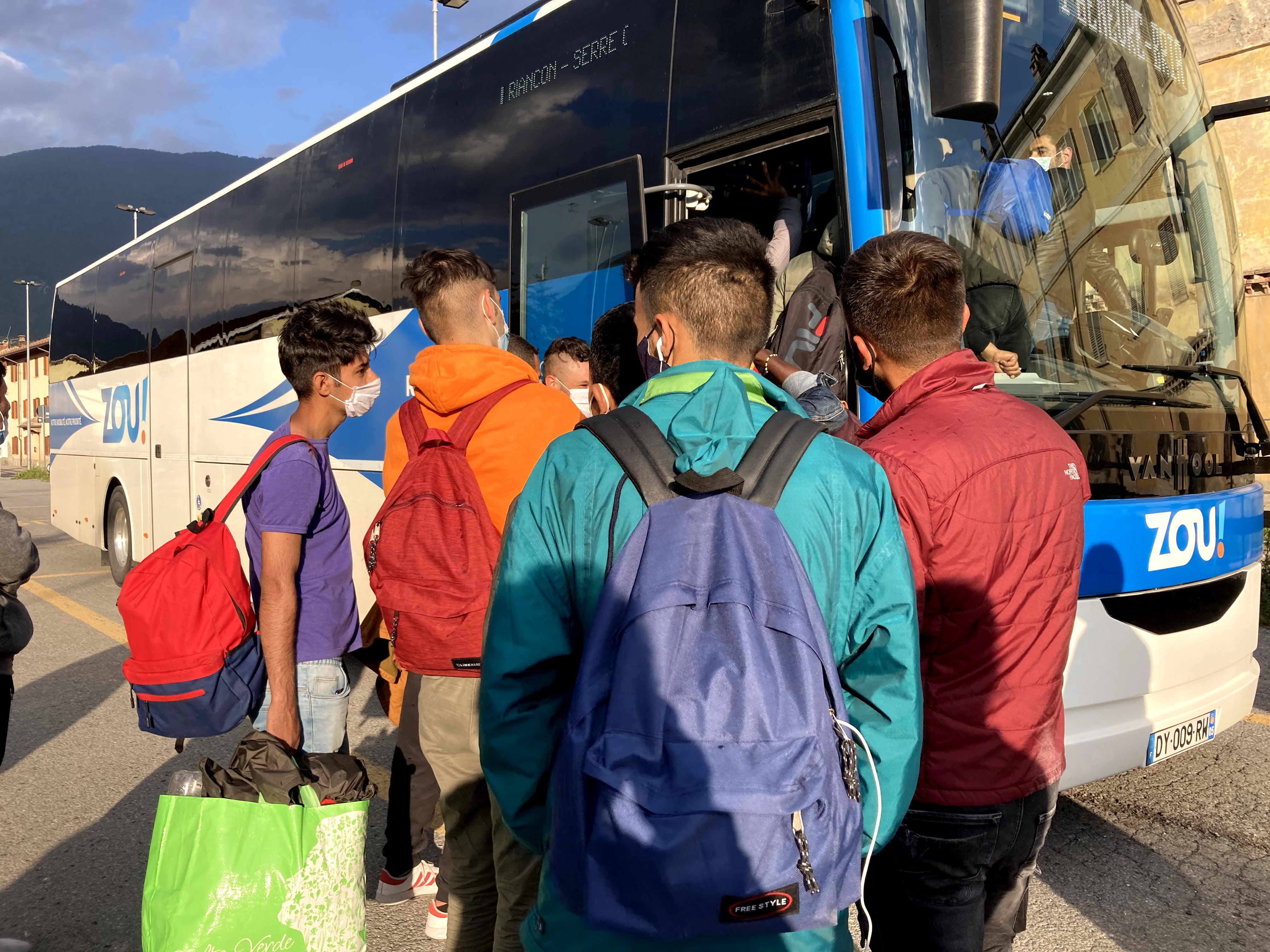
The situation at the north-west border in the Upper Susa Valley – where for months MEDU has been monitoring the living conditions and the respect of the human rights of men, women and children coming mainly from the Balkan route and in transit to France – is close to a foreseeable collapse which affects mainly the most vulnerable people.
The main criticalities are:
-On the Italian side, the reception system was drastically reduced in a few months. The occupied roadman’s house “Chez Jesuoulx” was evicted on March 23 with judicial proceedings against the activists. The “Fraternità Massi” shelter had to undertake the reception of all arriving migrants by itself, with constant overcrowding, health risks and shifts of up to 24 hours for the operators. The funding for the reception project, although approved, never arrived. The result was that after a few days of 24-hour opening in March, daytime reception was later limited to the most vulnerable migrants and finally cancelled. The spaces for families rented from the Salesians have been definitively returned because they are too expensive. Women, men, children, were forced to remain on the street during the day, without any kind of assistance and access to essential services.
– Conversely, in recent months, thanks to the solidarity of organized civil society and the contribution of No Nation Truck, a new border assistance center has been opened, specifically in Claviere, with kitchens and medical attention. On July 30, this experience tried to take root with the occupation of the former customs house, cleared after 5 days, paving the way for new judicial proceedings.
– On the other side of the border, in France, the “Refuge Solidire” has closed its doors, evicted from the institutions, burdened by an unmanageable number of presences, also due to the impossibility of ensuring compliance with the necessary anti-Covid measures.
People in transit are held in a grip on both sides of the border.
The climate of criminalization of solidarity is also accompanied by changes in the control practices implemented by the police. From July 20 to August 10 the police intervened one day out of two at the bus stops in Oulx to check documents, to transfer people to the police station in Bardonecchia in order to file them in the EURODAC archive and to discourage with threats those about to leave. Three times the police entered the Fraternità Massi shelter to take the families to Bardonecchia for identification and to deliver the expulsion papers or to notify the obligation to report to the police station under threat of possible arrest. These are not irregular practices, but they certainly denote a change of attitude that invalidates the agreed practice at the inter-institutional level according to which the refuge was to be considered as a neutral place, free from ordinary controls.
Despite this framework characterized by the absence of institutions, the repression of solidarity practices, the contrast to entries and transits, migratory flows continue to grow both from the Balkans and from the central Mediterranean route. The task of supporting and protecting the fundamental human rights of people in transit falls on volunteers and civil society, exposed to the constant risk of legal proceedings. The cost of this public attitude, as ineffective as it is cruel, falls above all on the most vulnerable people, women, children, the disabled, indeed those who, in words, are said to be the first to be protected.